Pulaski Travel
Pulaski Travel Pulaski, WI 54162
920-619-0993
Pulaski Travel Pulaski, WI 54162
920-619-0993

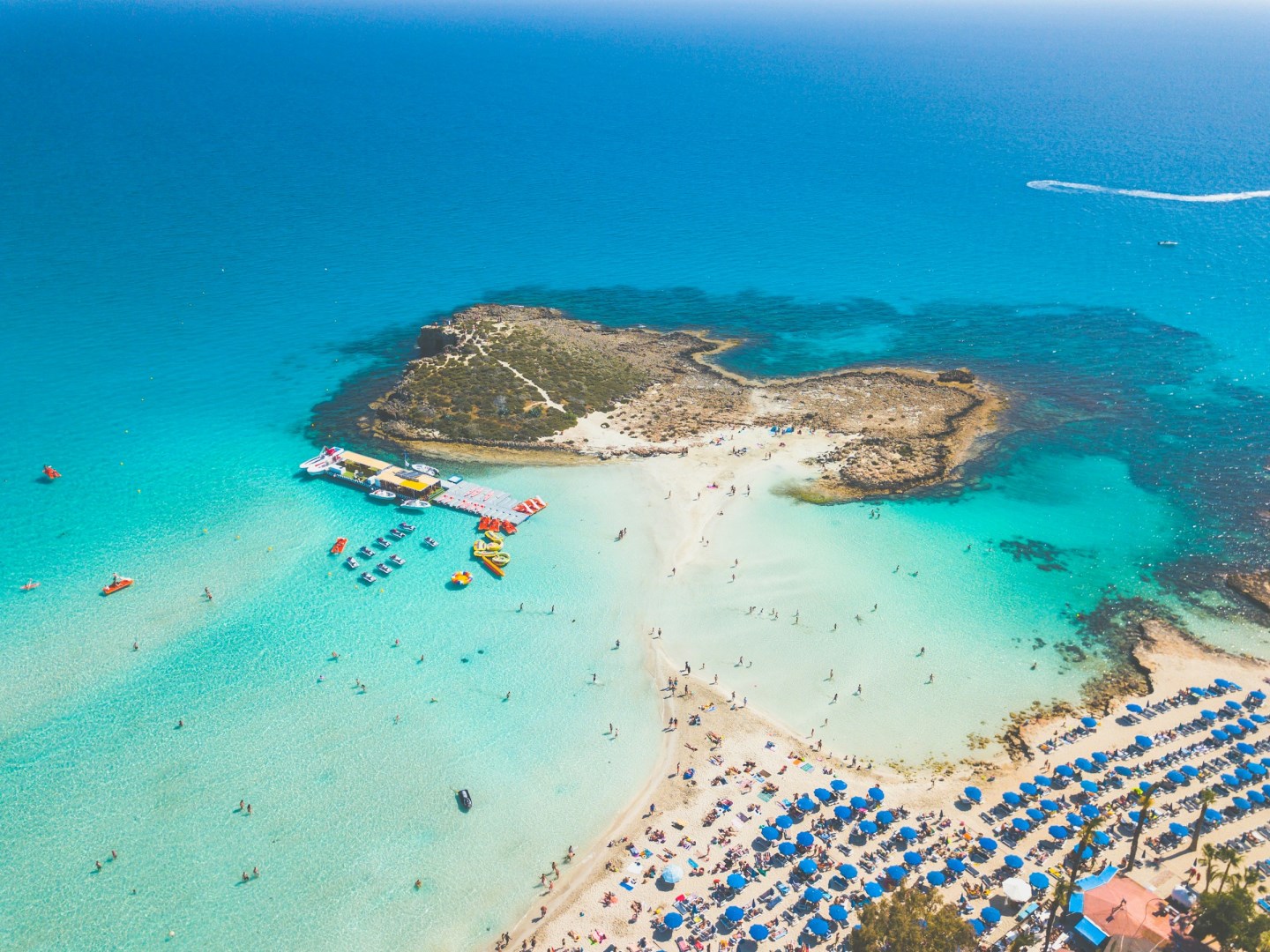

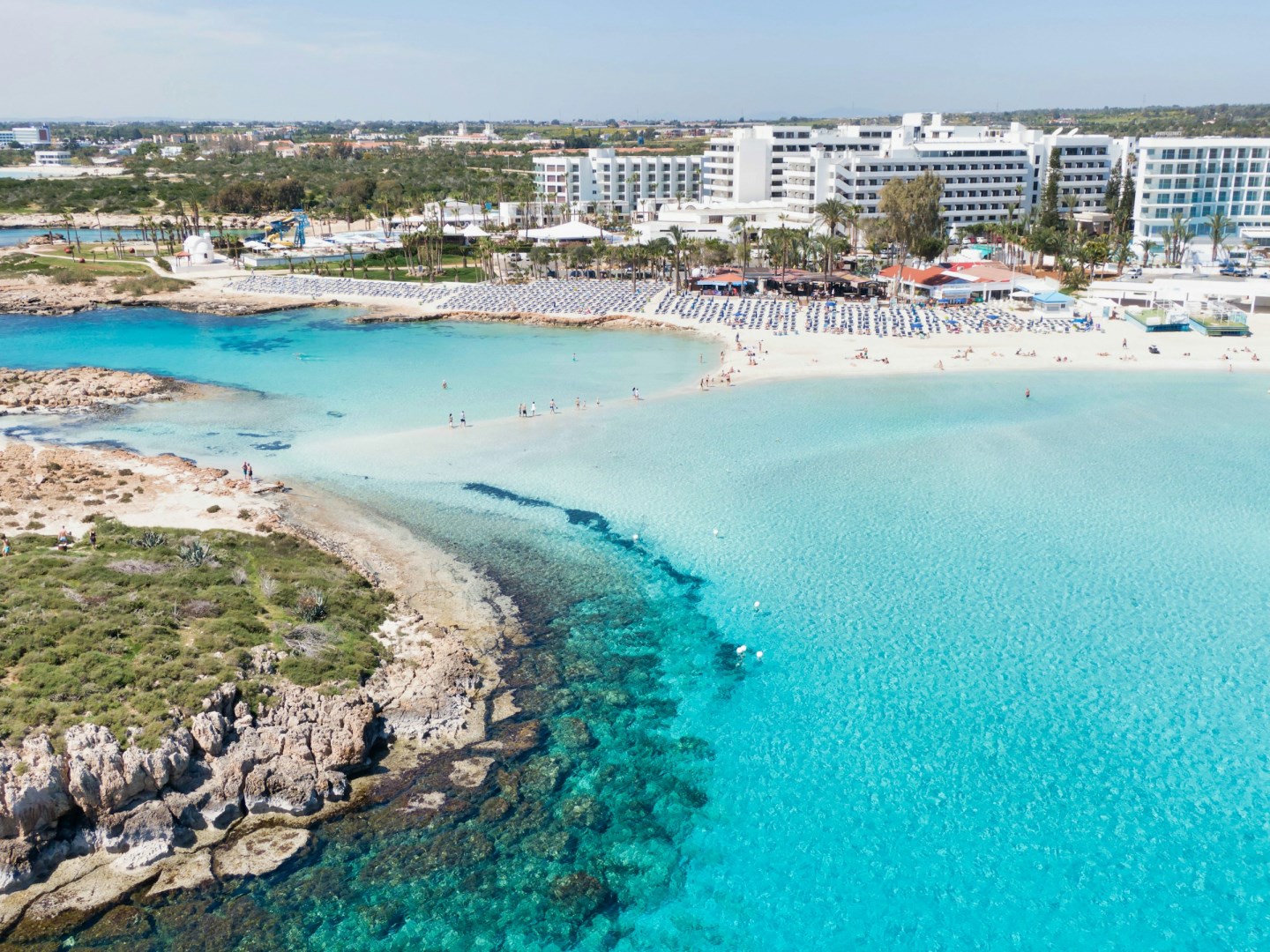
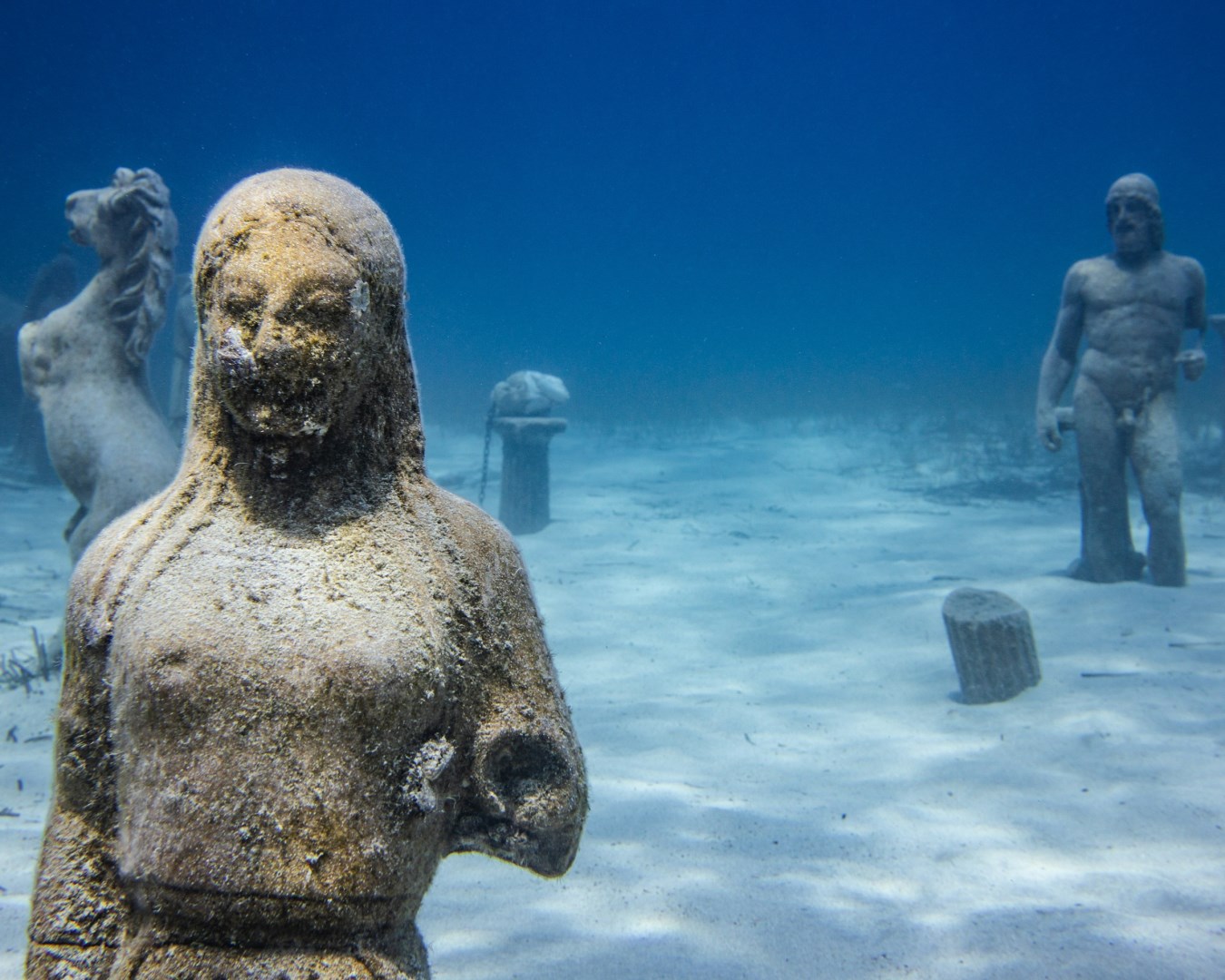

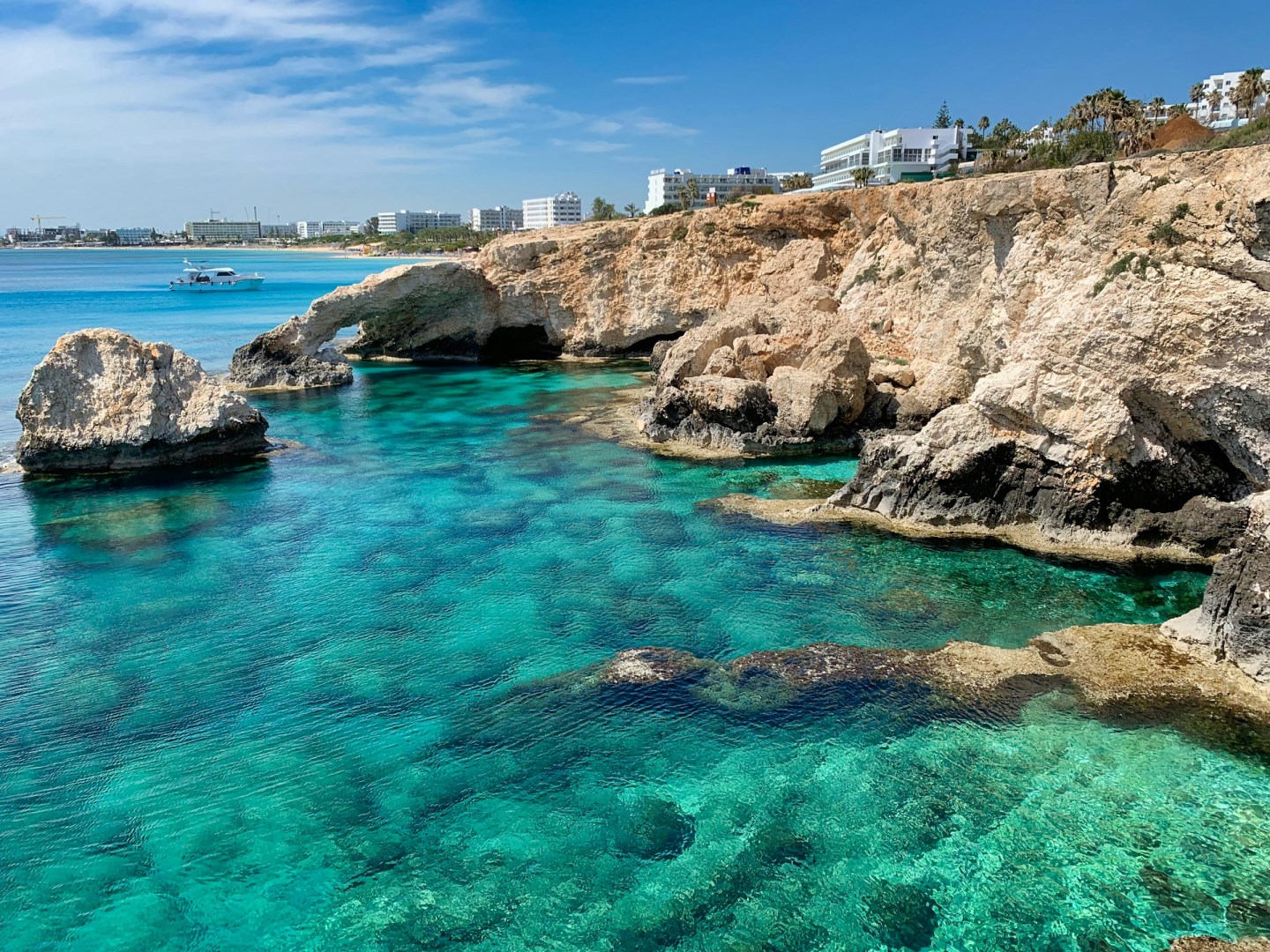
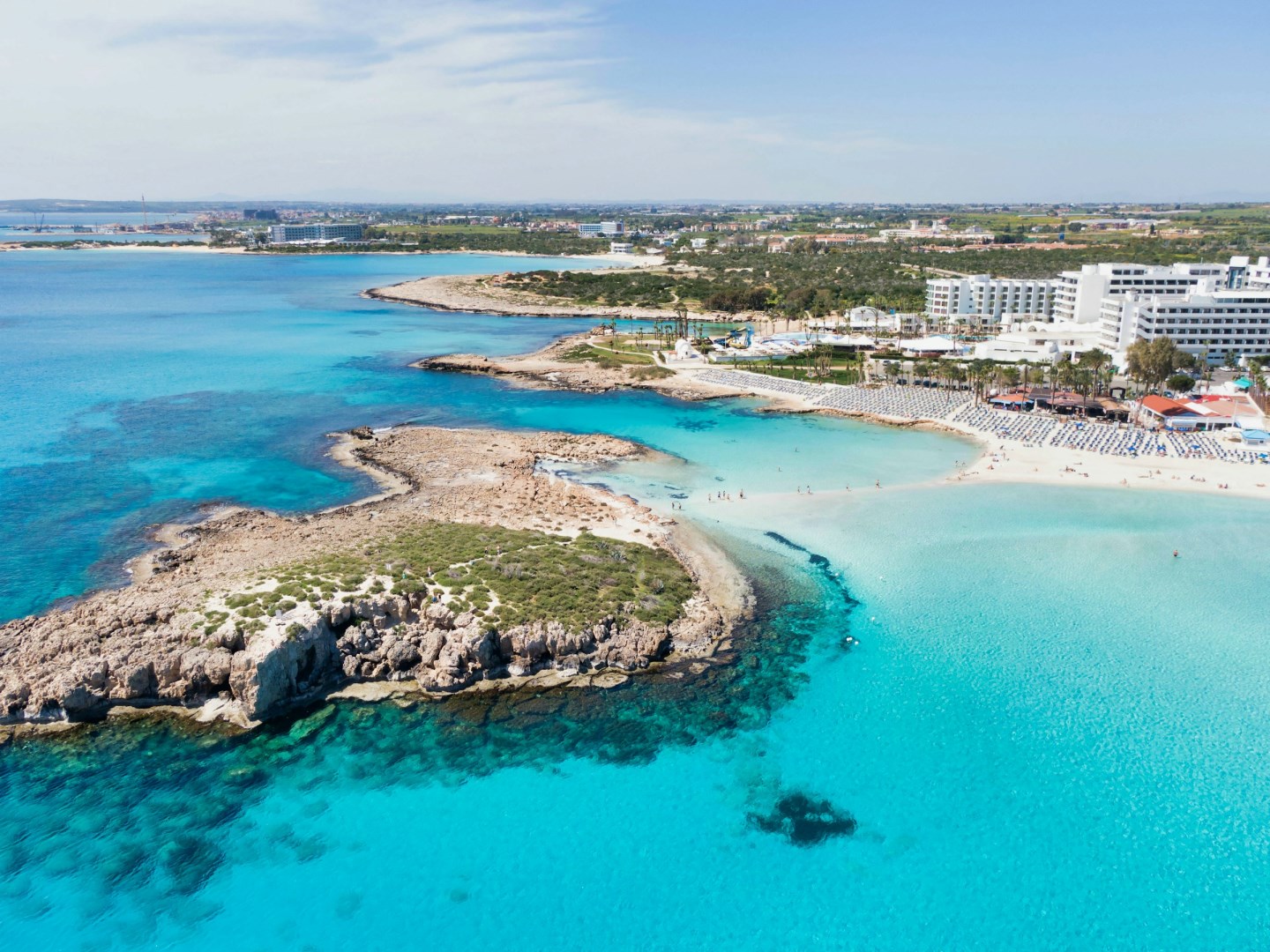
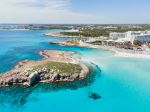
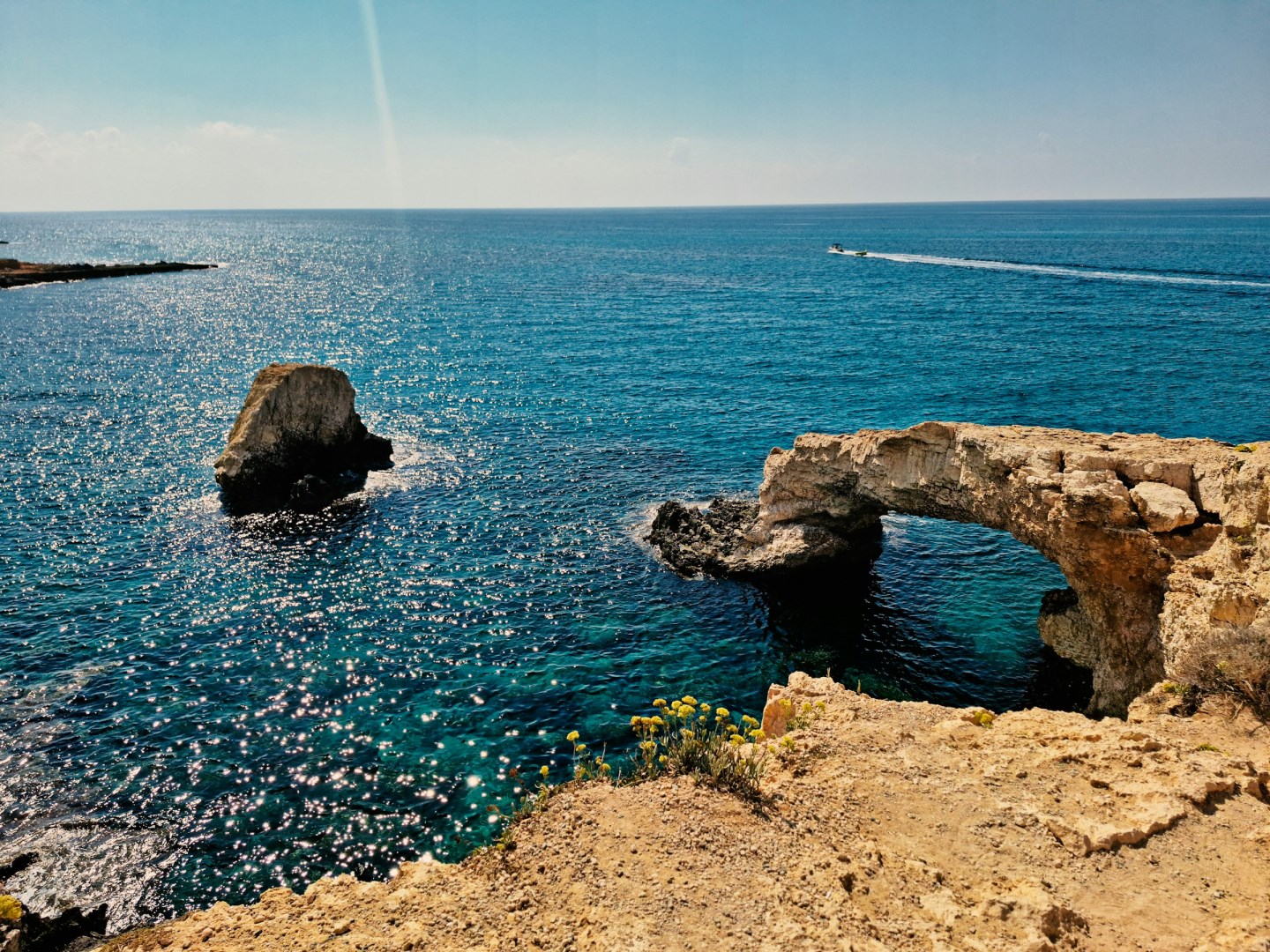

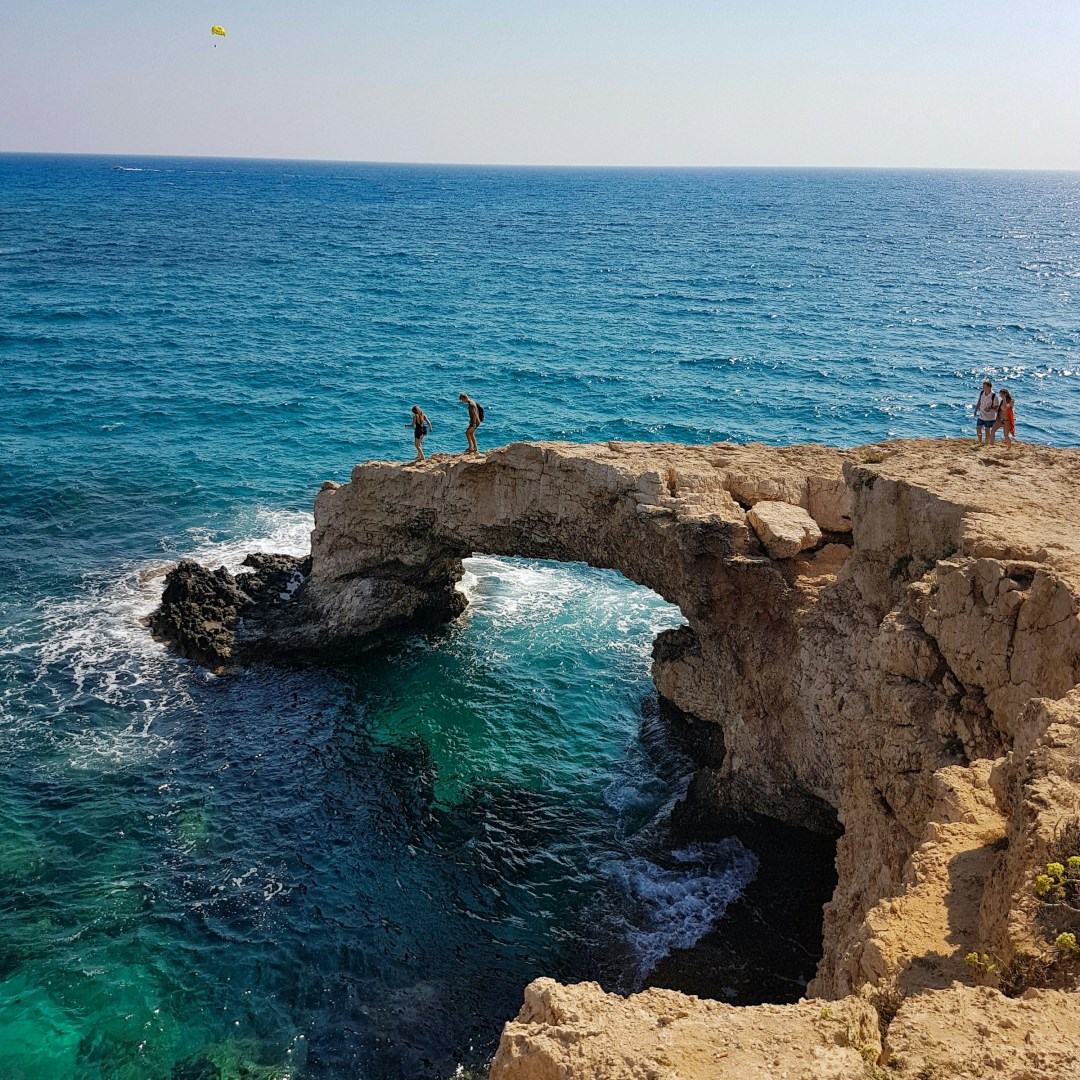
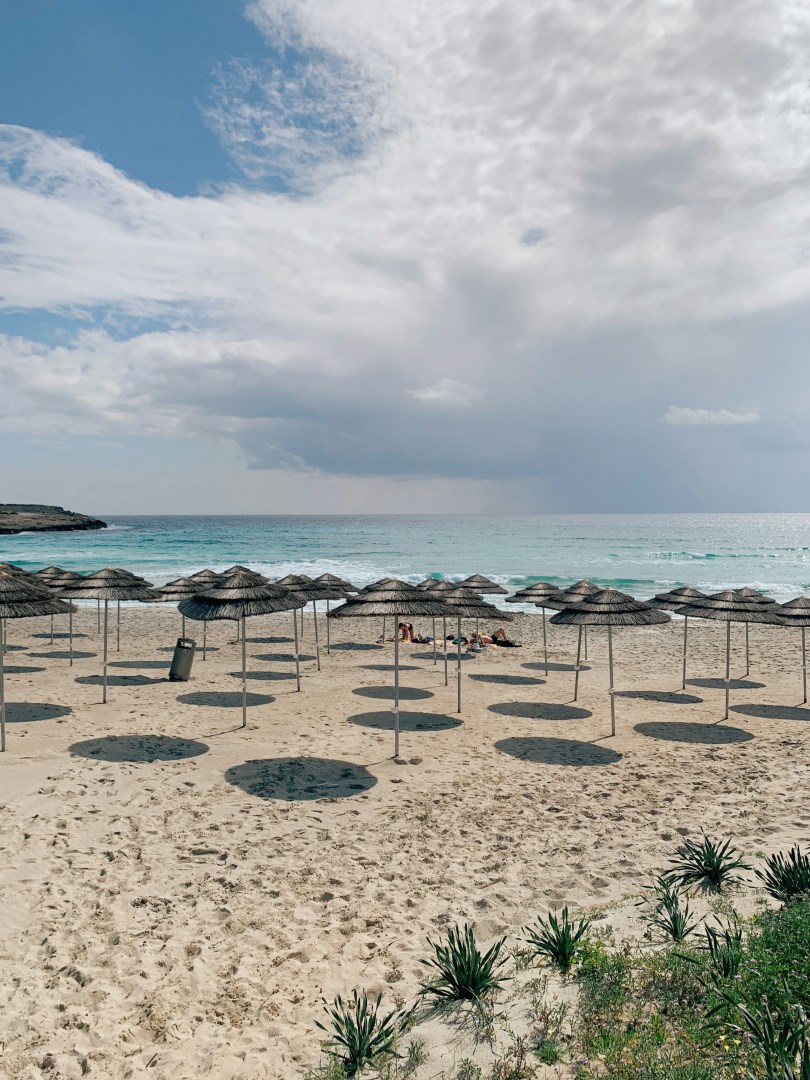
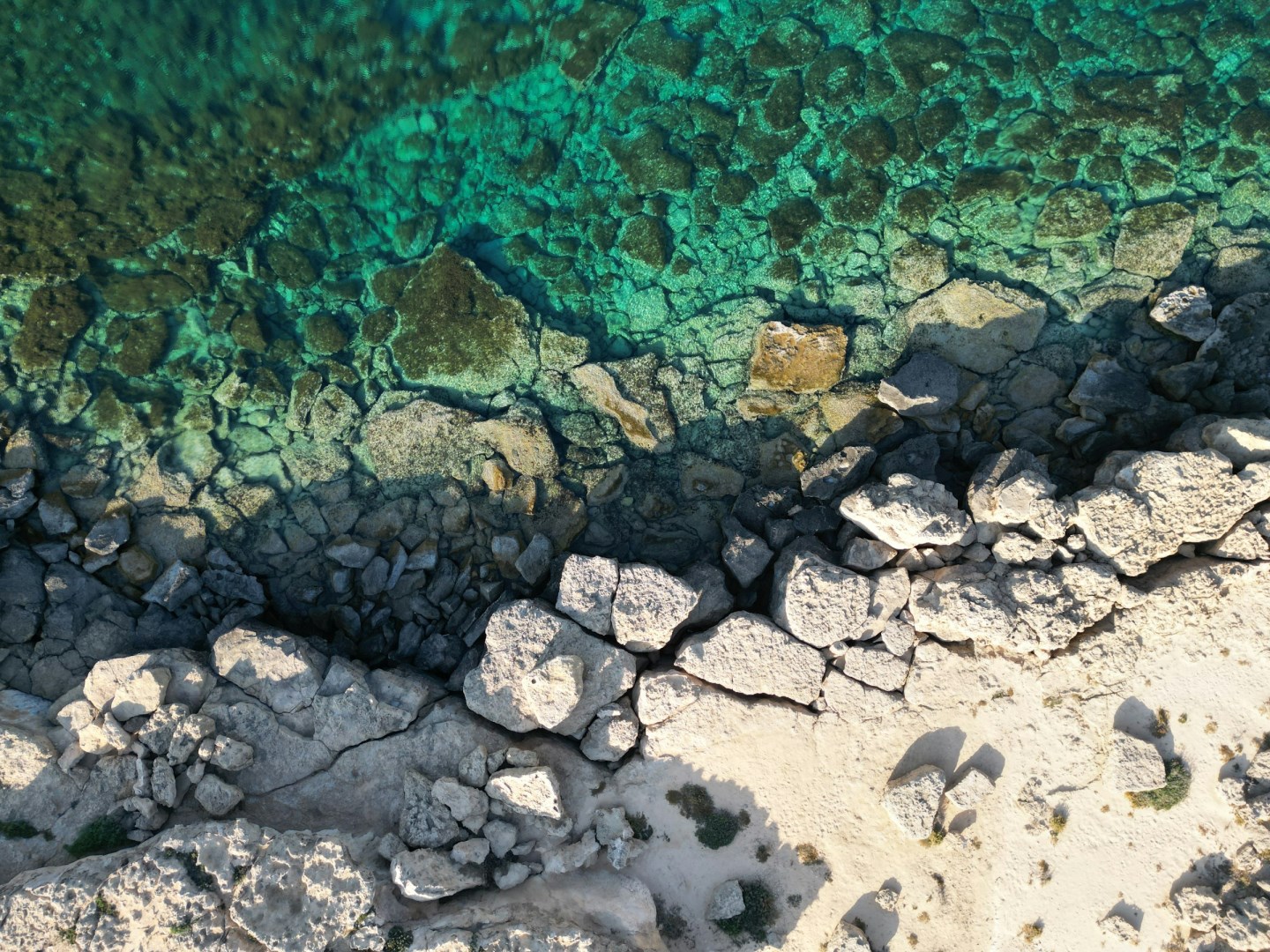

Ayia Napa is a coastal town in southeastern Cyprus, known for its sandy beaches, clear coastal waters, fishing harbor, and extensive tourism infrastructure. Once a small fishing village, it has developed into one of Cyprus's best-known seaside resorts while retaining several historic and cultural landmarks. The town center is built around a medieval monastery, while the surrounding coastline includes bays, rocky coves, and sea caves. Ayia Napa also lies close to Cape Greco National Forest Park, creating a transition between a developed resort landscape and a protected coastal environment.
The medieval Ayia Napa Monastery stands at the heart of the town and is dedicated to the Virgin Mary. Built partly underground and into the rock, the monastery has a fortified appearance and includes a courtyard, church, and historic well. A large sycamore tree stands near its southern entrance and is considered one of the area's notable old trees. The town also preserves connections with its fishing heritage, while the annual religious celebration of the Feast of Panagia Virgin Mary remains an important local tradition. The Thalassa Municipal Museum further explores Cyprus's long relationship with the sea.
Ayia Napa's coastline includes several distinct beaches and natural sites. Nissi Beach is known for its fine sand, shallow waters, and small offshore islet, while Pantachou forms a long bay beside the town's harbor. Cape Greco National Forest Park extends along the coast east of Ayia Napa, with limestone cliffs, sea caves, coves, and nature trails. The park is also part of the Natura 2000 network and provides opportunities for hiking, cycling, swimming, diving, and boat trips. The Makronissos Archaeological Site, with its rock-cut tombs, adds another cultural attraction near the western beaches.
Ayia Napa's food reflects the wider culinary traditions of Cyprus, where Mediterranean and Middle Eastern influences meet local agricultural products. Meze is a central part of Cypriot dining and can include grilled meats, fresh fish, dips, salads, vegetables, and local cheeses such as halloumi. Seafood is particularly suited to Ayia Napa's coastal setting, while nearby villages are known for produce grown in the region's distinctive red soils, including potatoes, watermelons, and strawberries. The town is also known for its nightlife, with bars and clubs concentrated around the central area, giving Ayia Napa a social identity distinct from its historic and natural attractions.