Pulaski Travel
Pulaski Travel Pulaski, WI 54162
920-619-0993
Pulaski Travel Pulaski, WI 54162
920-619-0993

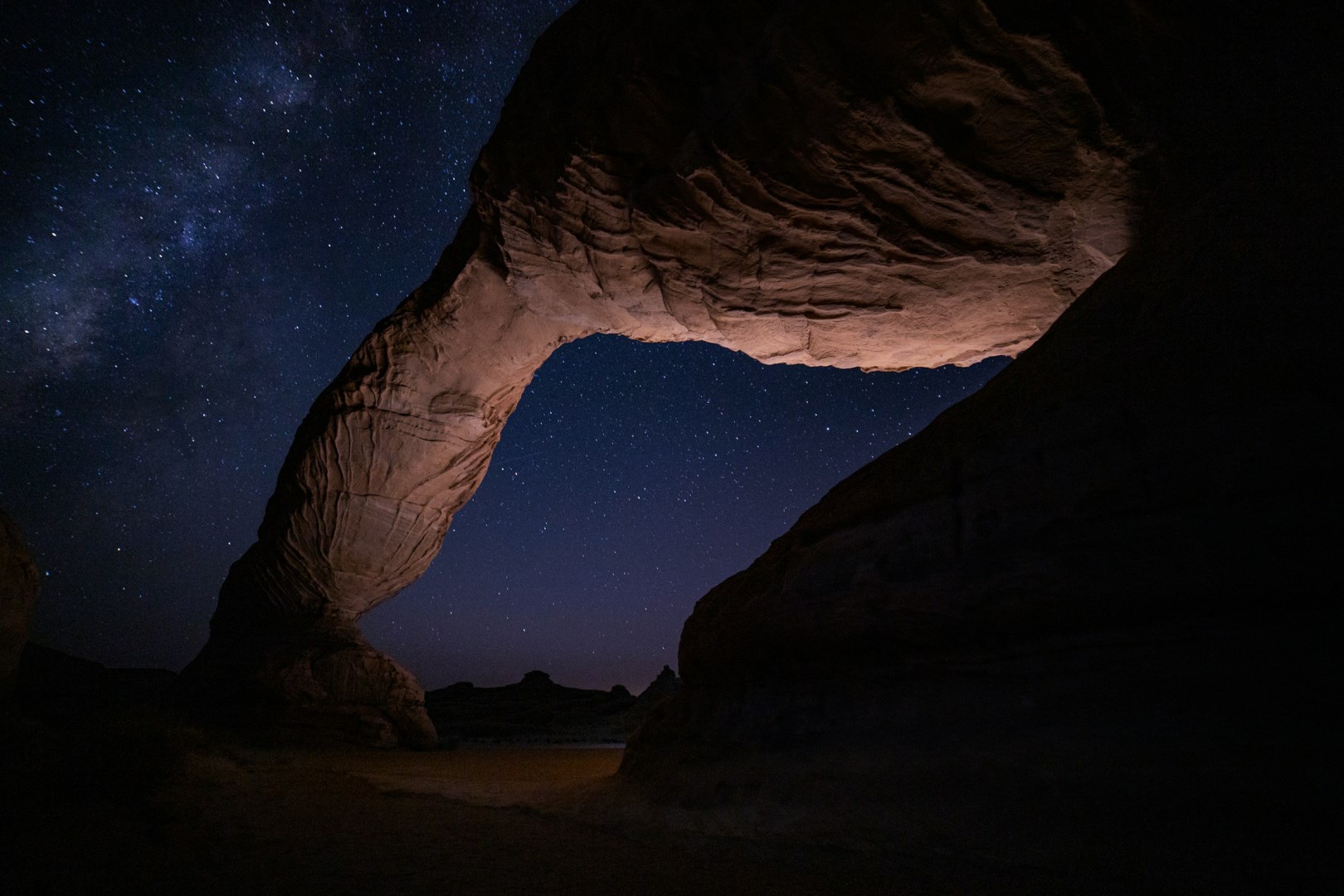

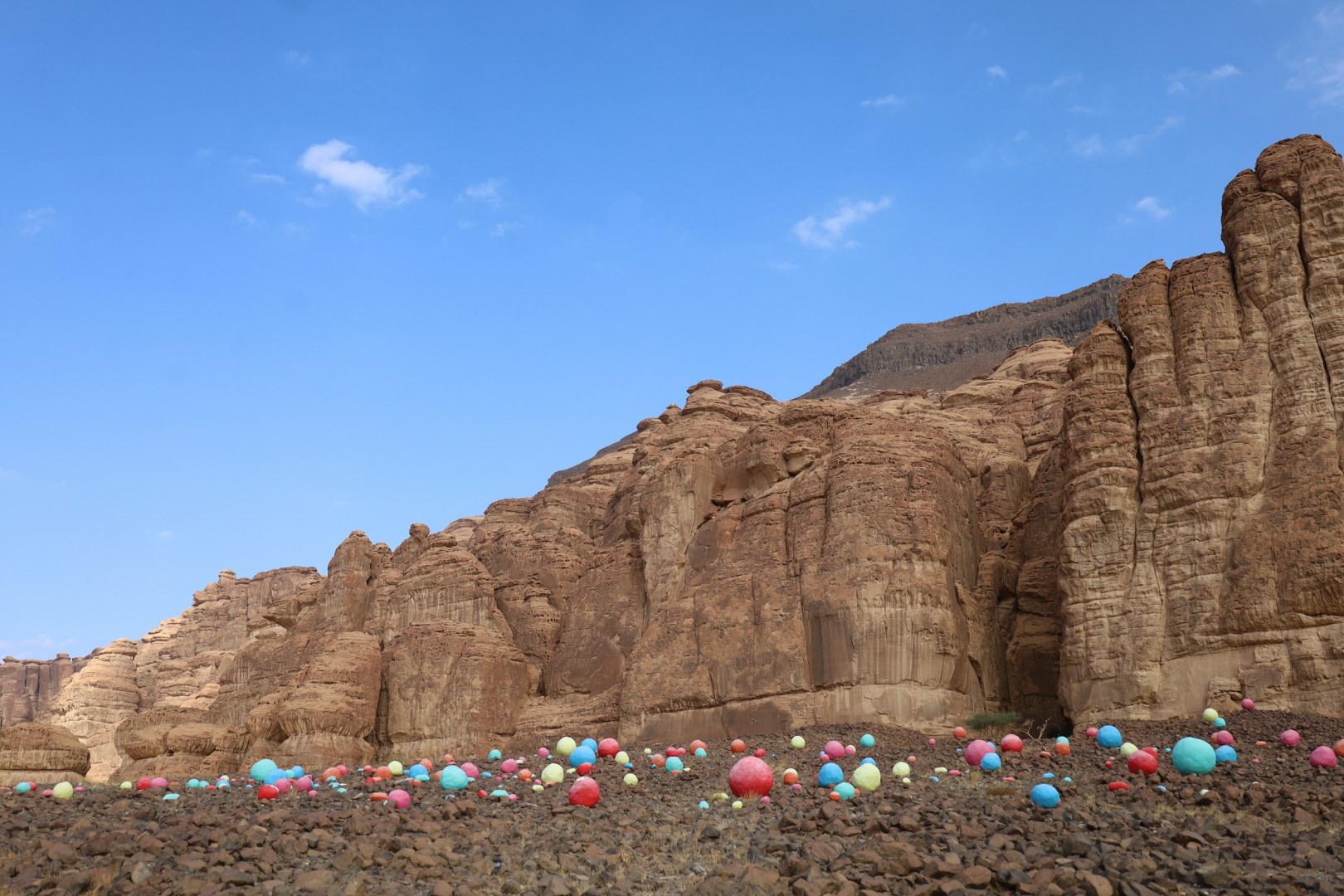
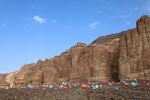
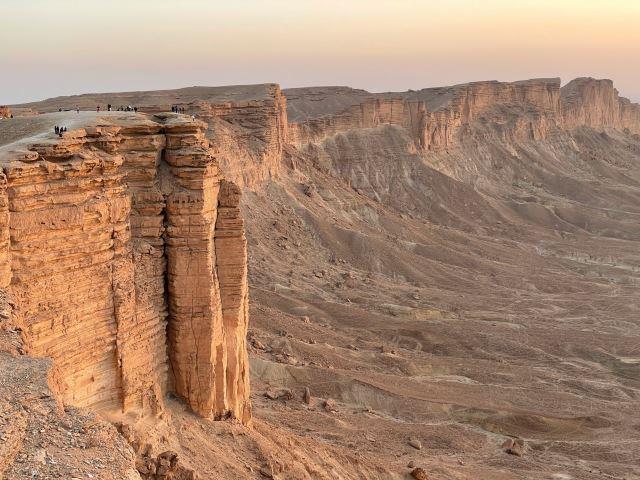
AlUla is an oasis region in northwestern Saudi Arabia, surrounded by sandstone mountains, desert valleys, and cultivated palm groves. Its landscape has been shaped by the presence of water, with the AlUla oasis supporting date palms, citrus trees, and other crops within an otherwise arid setting. The area is particularly known for its combination of archaeological sites and unusual rock formations. Traditional settlements, agricultural areas, and modern visitor facilities are spread across the valley, creating a destination where the natural landscape and evidence of earlier civilizations can be experienced within the same setting.
AlUla has a deep cultural heritage connected to several ancient Arabian kingdoms and the trade routes that crossed northwestern Arabia. Dadan was the capital of the Dadanite and Lihyanite kingdoms, while Jabal Ikmah contains numerous inscriptions and rock carvings left by travelers and local communities. AlUla Old Town preserves a historic settlement of mud-brick houses, narrow lanes, and community spaces. The oasis has also supported agricultural traditions, particularly date cultivation. Together, these sites show how settlement, farming, trade, and communication developed around a dependable water source in the desert.
Hegra is AlUla's most prominent archaeological attraction and Saudi Arabia's first UNESCO World Heritage Site. The site contains more than 100 monumental Nabataean tombs carved into sandstone outcrops, including the well-known Qasr Al-Farid. Dadan and Jabal Ikmah provide further archaeological experiences, with excavated remains, carved tombs, inscriptions, and rock art. Outside the heritage sites, Elephant Rock is a large natural sandstone formation shaped into an elephant-like profile. The surrounding valleys also offer opportunities to explore cliffs, canyons, desert vegetation, and the geological formations that define AlUla's landscape.
Food in AlUla reflects the agricultural resources of the oasis, with dates, citrus fruits, grains, vegetables, and locally produced honey among the ingredients associated with the region. Saudi dishes such as kabsa, jareesh, and various grilled meats can be found alongside simpler preparations using dates and locally grown produce. One distinctive feature of AlUla is the relationship between its archaeological heritage and its agricultural landscape: ancient settlements developed alongside an oasis that continues to support cultivation. The combination of palm groves, sandstone formations, inscriptions, rock-cut tombs, and traditional food gives AlUla a distinctive cultural and environmental character.