Pulaski Travel
Pulaski Travel Pulaski, WI 54162
920-619-0993
Pulaski Travel Pulaski, WI 54162
920-619-0993

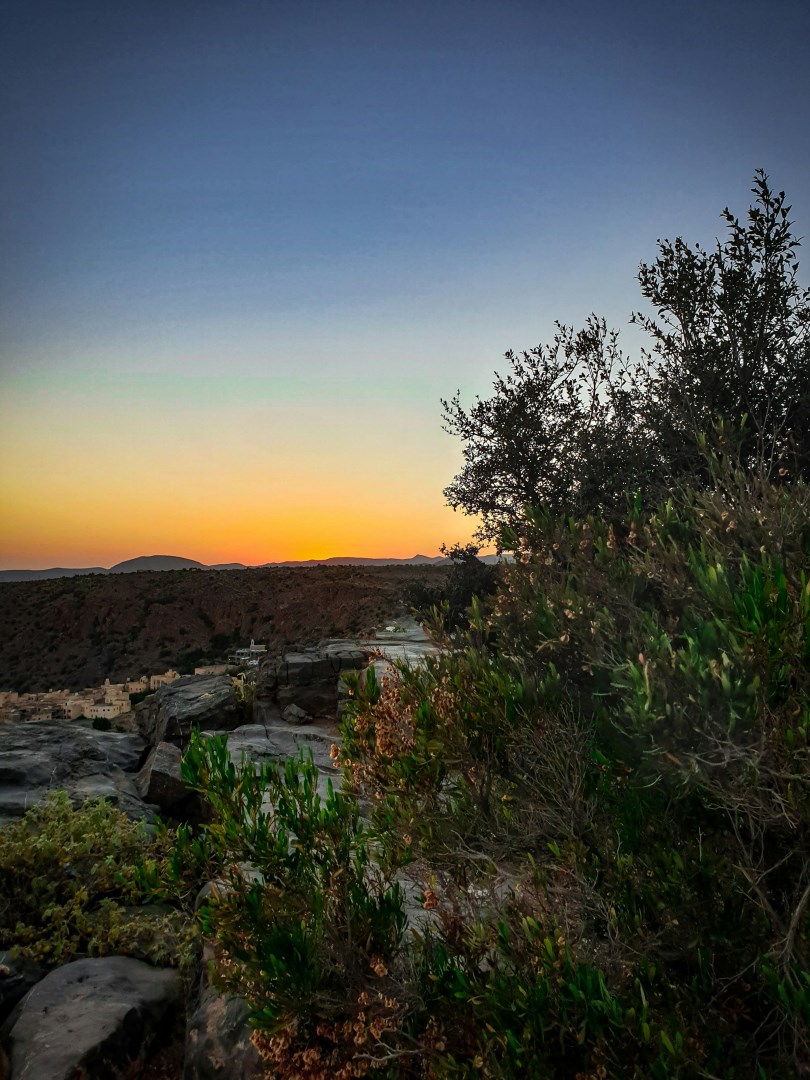
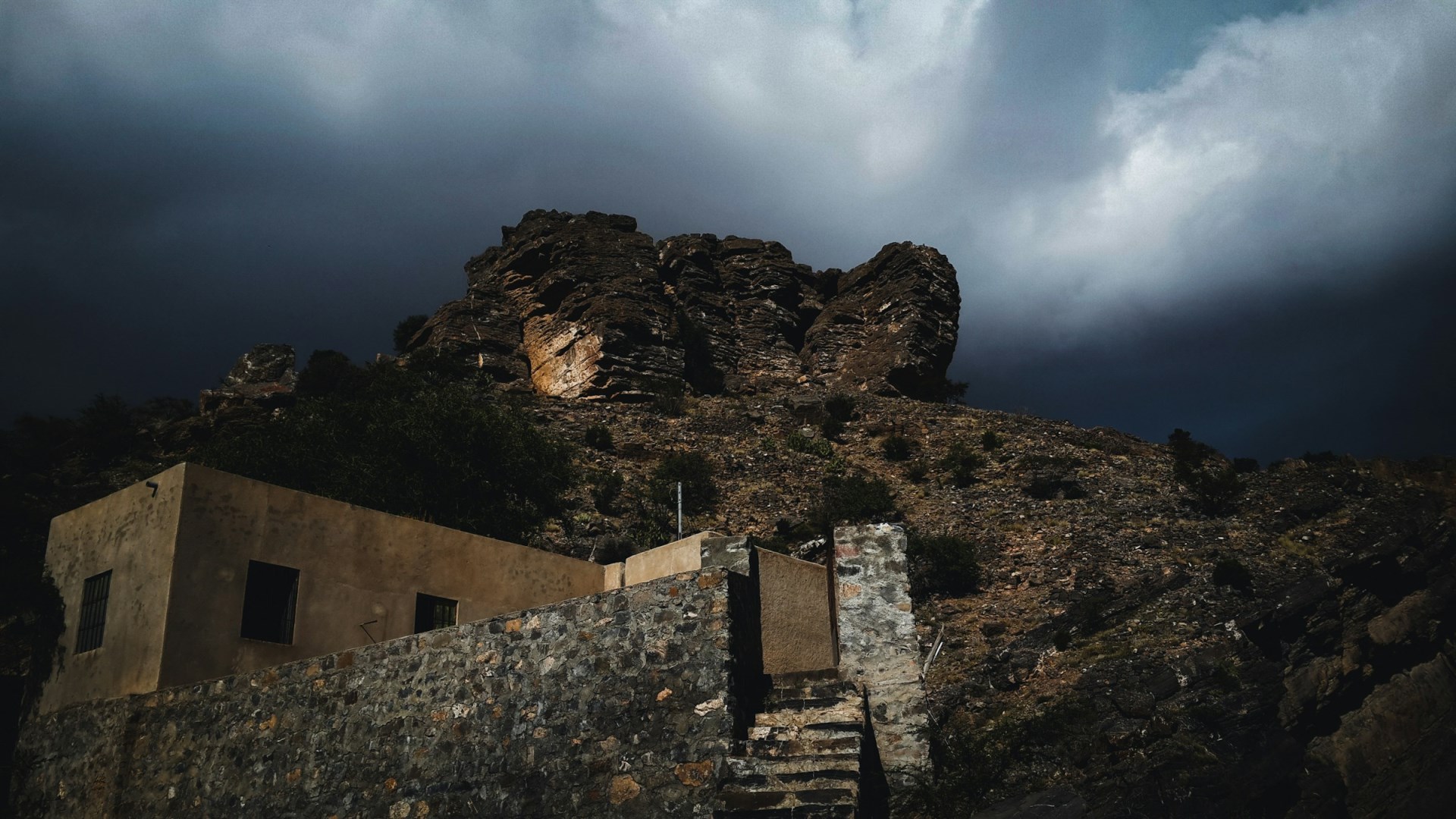
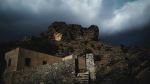
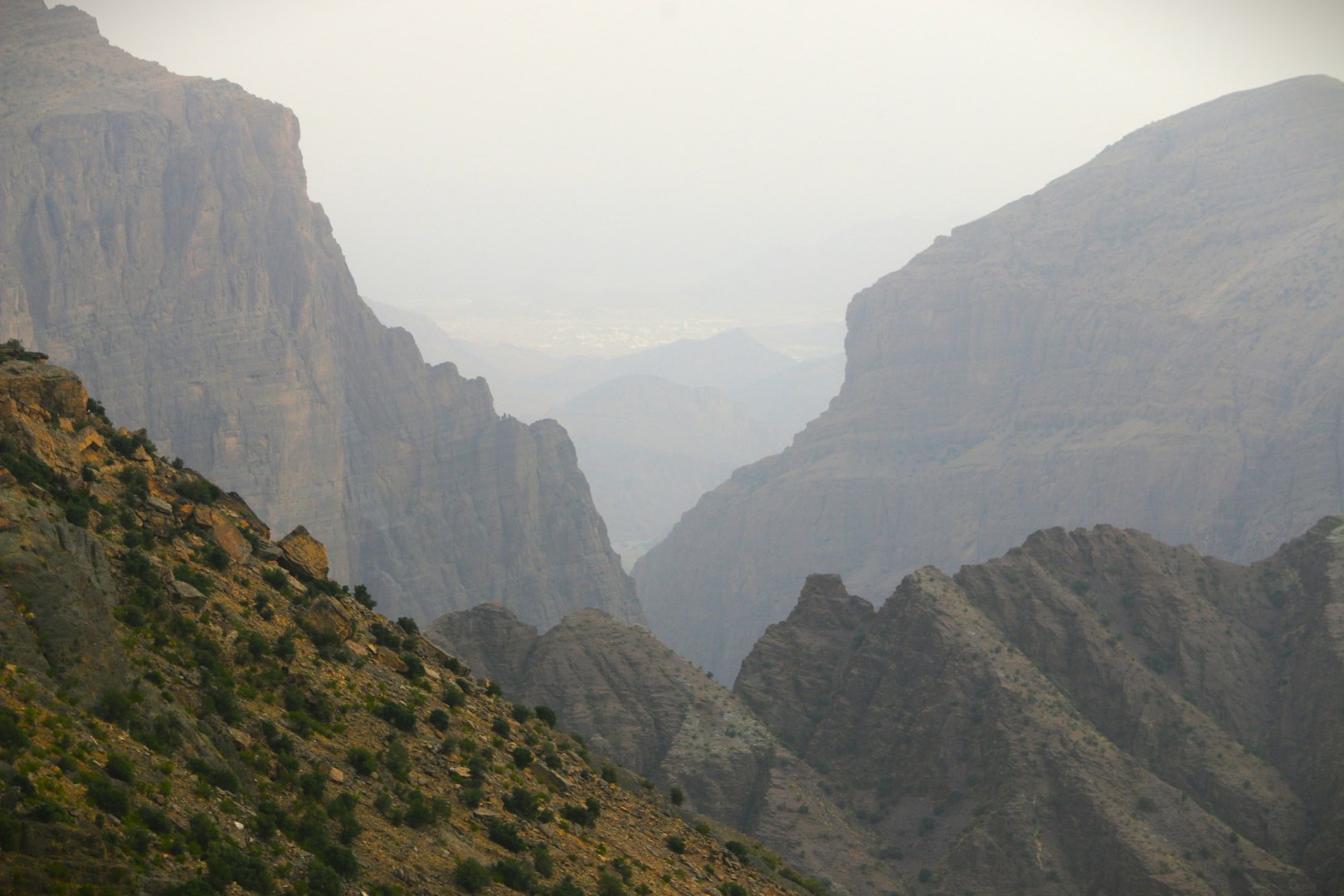
Jebel Akhdar, meaning “Green Mountain,” is a highland area within Oman's Al Hajar Mountains in Ad Dakhiliyah Governorate. The mountain rises to about 2,980 meters, with the Saiq Plateau located around 2,000 meters above sea level. Its cooler mountain climate supports terraced orchards, villages, and vegetation that differs from the dry lowlands below. Deep wadis, rocky slopes, and cultivated terraces shape the landscape, while pomegranates, apricots, walnuts, and roses are among the crops associated with the region. The combination of high elevation and traditional agriculture gives Jebel Akhdar a distinct character within Oman.
Life in Jebel Akhdar is closely connected to mountain agriculture and village traditions. Communities in places such as Al Ain, Al Aqr, Al Sharijah, and Saiq maintain terraced farms supplied by traditional water channels. Rose cultivation is particularly important, with local farmers producing rose water through small-scale distillation. The practice is closely tied to Omani hospitality, cooking, perfumes, and traditional remedies. Walking routes between the villages provide views of old houses, cultivated terraces, and irrigation channels, offering an insight into how communities have adapted farming to the steep terrain and relatively limited water supply.
The Saiq Plateau provides access to several walking routes and viewpoints overlooking the surrounding wadis and mountain valleys. The Three Villages Walk connects cultivated areas and traditional settlements, while Wadi Bani Habib is known for its abandoned village and orchards containing pomegranate and walnut trees. Al Suwgra, an old mountain settlement high above the surrounding valleys, is another notable stop. The landscape changes noticeably with elevation, from rocky slopes to pockets of cultivated greenery. Jebel Akhdar is also suitable for stargazing, hiking, and exploring the geological formations of the Al Hajar range.
Food in Jebel Akhdar reflects the crops grown on its terraces, particularly pomegranates, walnuts, figs, apricots, and other fruits. Pomegranate products are commonly associated with the region, while rose water is used in Omani sweets, drinks, perfumes, and hospitality. During the rose season, traditional distilleries in mountain villages process locally grown roses into fragrant water using methods passed through generations. The area's agricultural terraces are notable because they support productive orchards in a high, rugged environment. These farms, together with the mountain villages and rose-growing traditions, form an important part of Jebel Akhdar's local identity.